

How to Host a Wellness Retreat: Creating the Kind of Experience People Actually Need
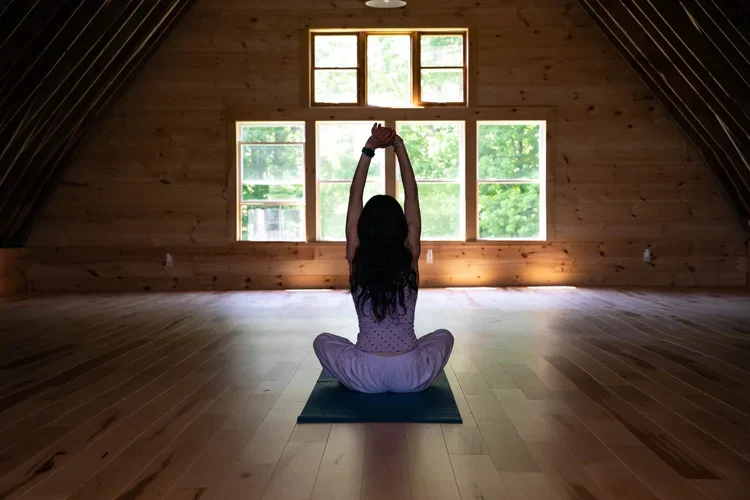
When people ask me how to host a retreat, they usually start with logistics.
How many workshops? What should the schedule look like? What meals should we serve? How do we keep guests engaged?
After hosting retreats on our farm in Maine, I’ve learned that meaningful retreats rarely begin with any of those questions.
They begin with something much simpler:
How do you create enough space for people to exhale?
Because most people don’t come to retreats needing more information. They come needing a different pace.
A chance to wake with the sun. Drink coffee slowly. Take a walk without somewhere to be. Share a meal without checking a phone. Sit quietly long enough to hear themselves think.
That’s what wellness retreats are really about.
Start with Intention, Not an Itinerary
Every memorable retreat has a center.
Not a theme. Not a marketing angle. A purpose.
Maybe you want people to reconnect with themselves. Maybe you want to create space for healing, creativity, meditation, or community.
At Casa Portal, we often say that our role is simply to hold the container.
The intention becomes the thread that connects everything else.
Without it, a retreat can feel like a collection of activities.
With it, every meal, conversation, and quiet moment begins to make sense.
Know Who You’re Creating It For
The best retreats are not designed for everyone.
Think about the people you’re inviting.
What pace of life are they coming from? What are they carrying? What are they seeking?
Most people who arrive at our farm aren’t looking for more stimulation.
They’re looking for permission to slow down.
That understanding shapes everything—from accommodations and programming to how much empty space you intentionally leave in the schedule.
Choose the Right Location
One of the most important decisions you’ll make is where to host a retreat.
People often remember how they felt in a place long after they’ve forgotten the schedule.
A retreat venue doesn’t need to be extravagant.
It needs to support the experience you’re trying to create.
Natural surroundings help.
Quiet helps.
Privacy helps.
Space to gather and space to be alone both matter.
Many facilitators exploring wellness retreats in Maine are drawn here because the environment does some of the work for you. Forests, open meadows, gardens, and slower rhythms naturally invite reflection.
On a farm, the day unfolds differently.
You notice the weather. You hear birds in the morning. Meals follow the seasons. Evenings naturally become quieter.
The environment gently reminds people that they don’t have to rush.
And that can be incredibly restorative.
Create Rhythm, Not a Packed Schedule
New retreat hosts often try to fill every hour.
More sessions. More workshops. More activities.
But people rarely need more.
They usually need less.
Some of the most meaningful moments I’ve witnessed happened between the planned activities.
A conversation on the porch.
A walk through the gardens.
Someone sitting quietly after breakfast.
A retreat schedule should create rhythm:
Movement and stillness.
Connection and solitude.
Structure and openness.
Leave room for walks. Leave room for rest. Leave room for nothing in particular.
That’s often where the real work happens.
Build an Experience, Not Just an Agenda
People attend wellness retreats because something inside them wants to shift.
A meditation session matters.
So does the quiet afterward.
A workshop matters.
So does the unhurried meal that follows.
When hosting a wellness retreat, think beyond activities.
Think about atmosphere.
Think about transitions.
Think about how people move through the day.
At Casa Portal, we’ve seen how shared meals, gardens, trails, and even simple farm chores can become meaningful parts of a retreat experience.
When people slow down enough, ordinary moments begin to feel significant.
Create Space for Connection
One of the most powerful aspects of any retreat is community.
Not networking.
Not forced interaction.
Connection.
People often arrive as strangers.
Then something happens.
They share meals. Walk together. Sit around a fire. Spend quiet time in nature.
The relationships form naturally.
You don’t have to manufacture connection.
You simply need to create the conditions where it can happen.
Trust the Process
Many first-time facilitators worry about getting everything right.
But retreats aren’t performances.
People aren’t looking for perfection.
They’re looking for authenticity.
They’re looking for room to breathe.
They’re looking for an experience that feels different from everyday life.
Hosting Your First Wellness Retreat
If you’re organizing your first wellness retreat, keep it simple.
You need a clear intention.
A supportive environment.
And enough space for people to reconnect with themselves.
After years of living and hosting on this farm, I’ve come to believe that slowing down isn’t simply an activity we schedule into retreats.
It’s the medicine.
Nature offers it.
Farm life teaches it.
The rhythm of the day invites it.
When you create a retreat that honors those things, something shifts.
People remember how they felt.
And often, that’s exactly why they came.